



Technical applications of the reagent
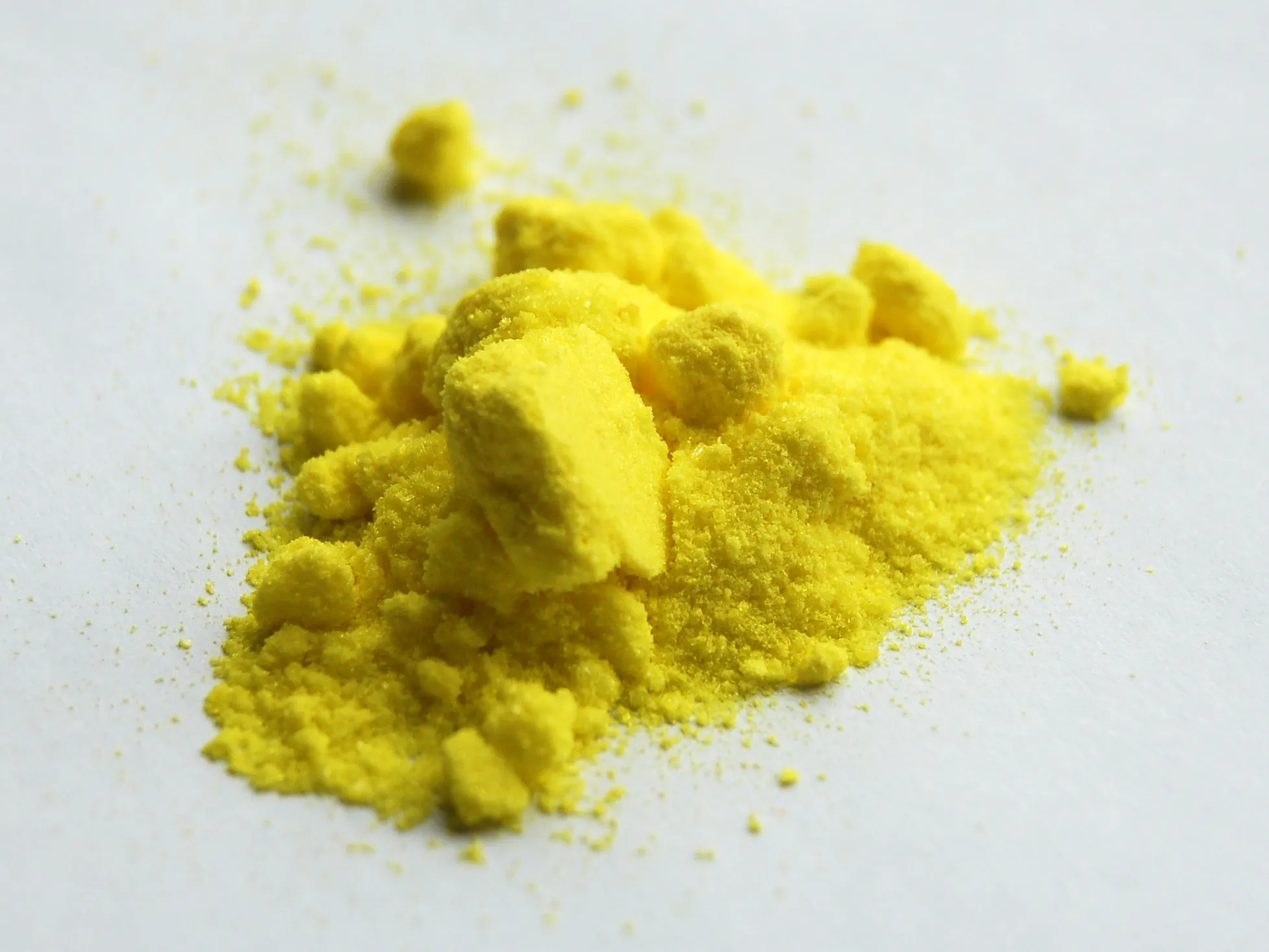
Potassium chromate has a characteristic yellow color and acts, in many methods, as an indicator or auxiliary reagent in chemical determinations. In argentometric titrations, for example, it can be used to identify the endpoint in chloride analyses, provided it is used according to a validated methodology.
In laboratory routine, some points directly influence reagent performance:
- Adequate purity grade: contributes to more consistent results in quantitative analyses.
- Technical documentation available: facilitates checking specifications, batch, shelf life, and use conditions.
- Controlled storage: preserves the physicochemical characteristics of potassium chromate.
- Regularized supply: reduces operational risks in recurring purchases or scheduled demands.
Handling and storage precautions
As a chemical product that requires technical attention, potassium chromate must be handled with PPE, in an appropriate environment, by trained professionals. Consulting the SDS and certificate of analysis is essential before use.
It is also important to avoid cross-contamination, undue moisture exposure, and fractioning without technical criteria. These precautions reduce analytical deviations and favor greater laboratory safety.
Criteria for choosing a supplier
Buying potassium chromate should consider more than immediate availability. Evaluating provenance, documentation, technical support, and supplier regularity helps maintain analysis standardization and supply predictability.
Companies that work with laboratory reagents need partners able to meet technical specifications, advise on available presentations, and offer solutions compatible with different analytical routines.
Count on Haloquímica for specific laboratory demands
To acquire potassium chromate with technical safety, proper documentation, and specialized support, contact Haloquímica and request guidance according to your operation’s needs.
Contact us