
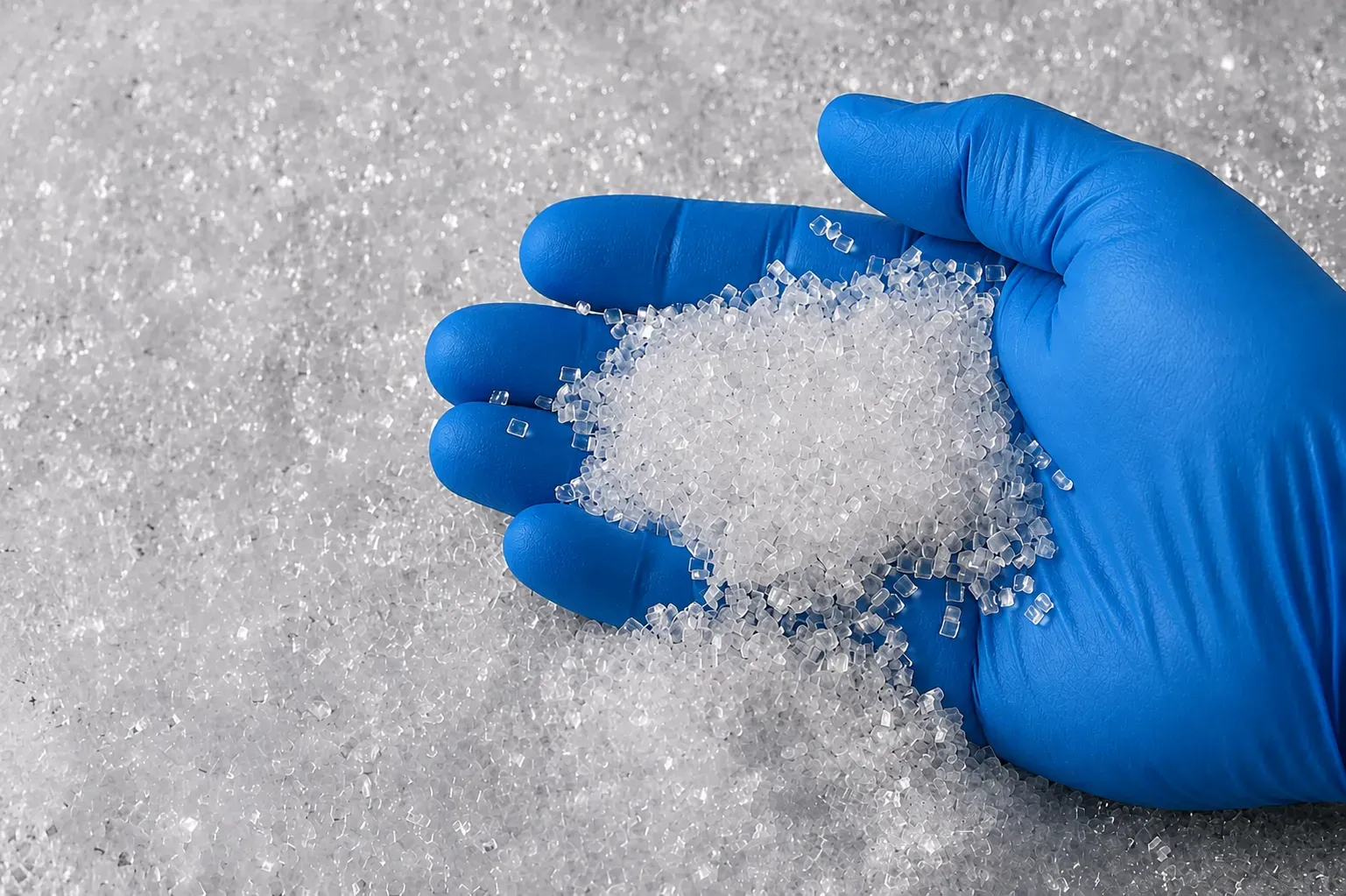
Acetates: High-Purity Chemical Inputs and Solutions

Acetates are compounds derived from acetic acid, found mainly as salts or esters. In laboratory and industrial routines, these reagents take part in analyses, formulations, solution preparation, stability studies, and quality control. The right choice depends on chemical composition, purity grade, concentration, and compatibility with the applied method. When properly specified, they help keep processes safer and results technically consistent.

Acetates, Haloquímica chemical inputs and solutions

Technical use in analyses and processes

In laboratories, acetates can act as auxiliary reagents, buffer solution components, pH adjustment agents, or raw materials for specific syntheses. Among the most widely used forms are sodium acetate, ammonium acetate, and potassium acetate, each with its own behavior in solution.

Product selection should consider technical specifications before purchase. Key points to review:

  • Purity compatible with the application: reduces interference in sensitive analyses and improves result reliability.
  • Batch traceability: allows verification of origin, shelf life, documentation, and chemical product history.
  • Packaging suited to the use: preserves stability, prevents contamination, and supports safe storage.
  • Specialized technical support: helps select the reagent according to the method, concentration, or analytical demand.

How to evaluate acetate suppliers

Buying acetates requires more than stock availability. It is important to check whether the supplier provides technical documentation, a safety data sheet, quality control, and consultative support. These factors help reduce operational risks, especially in processes that depend on repeatability and compliance.

For special demands, such as titrated, standardized, or custom-prepared solutions, preparation accuracy directly affects assay performance. Delivery times, transport conditions, and the ability to fulfill recurring volumes or specific orders must also be assessed. That is why working with a regulated, experienced company contributes to greater safety when using laboratory chemical reagents.

Request acetates with Haloquímica technical support

To buy acetates with confidence, proper documentation, and technical guidance, contact Haloquímica. We provide specialized support for laboratory, industrial, and analytical demands, with a focus on quality, precision, and reliable supply.

Contact us

Catalog

Products in this category

No products found for this search.

FAQ

Frequently asked questions about acetates

Clear answers to help with specification, purchase, and safe use of acetates in the laboratory and industry.

Acetates are used for solution preparation, pH control, chemical syntheses, laboratory analyses, and formulations that require acetic acid derivatives with defined specifications.

Among the most common types are sodium acetate, ammonium acetate, potassium acetate, and other salts applied according to the analytical method, concentration, and purpose of the assay.

Yes. The safety data sheet guides handling, storage, hazards, transport, disposal, and protective measures, and is essential for the correct use of laboratory chemicals.

Storage should follow the technical data sheet and safety data sheet, considering temperature, humidity, ventilation, packaging seal, and compatibility with other reagents.

Yes. Depending on the need, special, titrated, or standardized acetate solutions can be supplied according to concentration, application, and requested technical specifications.

Catalog

Acetate catalog and pricing

Check the commercial price list and request a personalized quote for acetates, special solutions, and laboratory demands.

Complete product line PDF · Haloquímica product catalog
  • Sodium, ammonium, and potassium acetate
  • Titrated and standardized solutions
  • Technical documentation and SDS

Quote

Request acetates with technical support

Tell us what you need and our sales team will recommend the right product, concentration, and documentation.